



Title: London’s Ambitious Goal: Hosting the Super Bowl – A Breakfast Discussion
London, a city known for its rich history, iconic landmarks, and love for football – or as Americans call it, soccer – has set its sights on a new goal: hosting the Super Bowl, the pinnacle of American Football. This topic was the centerpiece of a recent breakfast discussion among key stakeholders in the British capital.
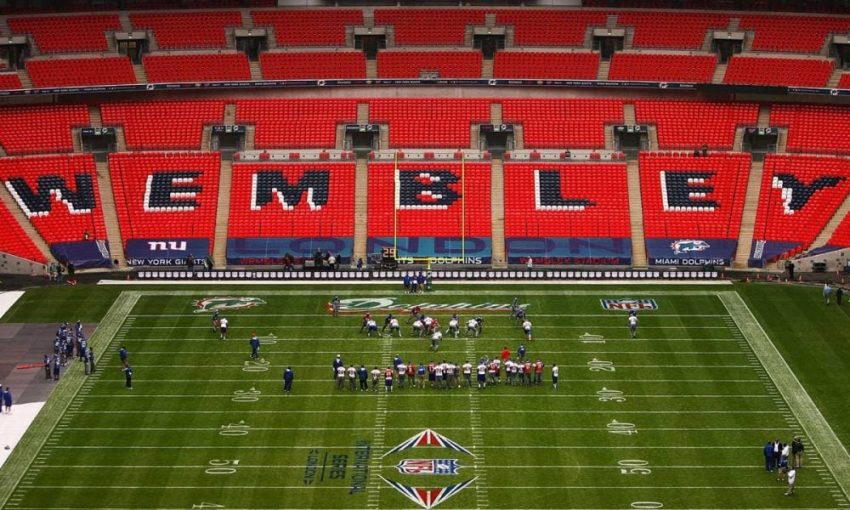
The idea of hosting the Super Bowl in London is not entirely new. The National Football League (NFL) has been playing regular-season games in London since 2007, with Wembley Stadium and Tottenham Hotspur Stadium serving as the venues. These games have been met with enthusiasm from British fans, who have shown a growing interest in American football.
However, the concept of bringing the Super Bowl, one of the most-watched sporting events globally, to London is a different ball game altogether. It would mean transporting an event deeply rooted in American culture across the Atlantic, a move that could potentially expand the NFL’s global reach but also pose significant logistical challenges.
The breakfast discussion, attended by representatives from the NFL, London’s city government, and various sports marketing agencies, explored these opportunities and challenges in depth.
Opportunities for London and the NFL
Hosting the Super Bowl could bring substantial economic benefits to London. The event attracts thousands of fans who spend money on hotels, restaurants, and other local businesses. It also generates massive media attention, which could boost tourism in the long run.
For the NFL, a London Super Bowl could be a strategic move to grow its international fan base. The league has been making concerted efforts to globalize American football, and hosting its flagship event outside the U.S. would be a significant step towards this goal.
Logistical Challenges
Despite the potential benefits, there are considerable logistical hurdles to overcome. The time difference between the U.S. and UK is a major concern. The Super Bowl is traditionally played on Sunday evening U.S. time, which would be early Monday morning in London. This could significantly impact U.S. viewership and advertising revenues.
Moreover, the Super Bowl is more than just a game; it’s a week-long series of events, including concerts, parties, and community initiatives. Organizing these events in London would require significant planning and resources.
The breakfast discussion concluded with a consensus that while the idea of a London Super Bowl is ambitious, it is not unattainable. It would require careful planning, significant investment, and close collaboration between the NFL, the city of London, and other stakeholders.
In conclusion, the prospect of London hosting the Super Bowl is an exciting one. It represents an opportunity to bridge cultures through sport and potentially usher in a new era of international Super Bowls. However, it also presents significant challenges that need to be carefully considered and addressed. As the discussions continue, fans on both sides of the Atlantic will be eagerly watching to see if this ambitious dream becomes a reality.