



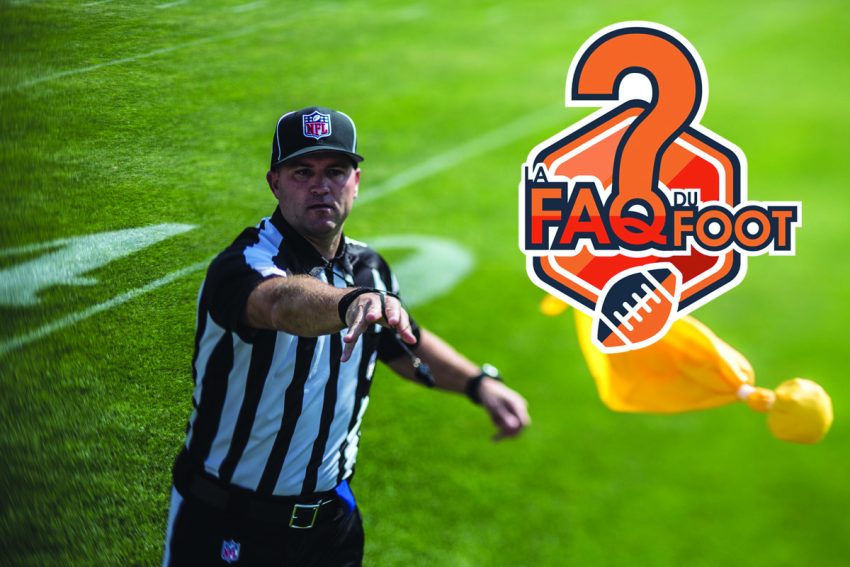
Title: American Football FAQ: Understanding Offensive Penalties
American football is a sport known for its complex rules and regulations. One of the most challenging aspects of the game to understand, especially for new fans, is the concept of penalties. Penalties are infractions of the rules, resulting in some form of punishment such as loss of yardage or down. This article will focus on offensive penalties, which occur when the team in possession of the ball breaks a rule.
1. What is an offensive penalty?
An offensive penalty in American football is a violation committed by the team that has possession of the ball during a play. These penalties can be committed by any player on the offensive team, from the quarterback to the wide receivers and linemen.
2. What happens when an offensive penalty is called?
When an offensive penalty is called, the offending team is usually penalized by losing yardage, losing a down, or both. The specific punishment depends on the nature of the penalty. The play may also be replayed from the original line of scrimmage. In some cases, the defensive team can decline the penalty if they believe accepting it would not be advantageous.
3. What are some common offensive penalties?
Here are some common offensive penalties you might encounter while watching a game:
– Holding: This occurs when an offensive player illegally uses his hands, arms, or body to obstruct a defensive player’s movement. The standard penalty for holding is 10 yards.
– False Start: A false start happens when an offensive player moves before the ball is snapped. This penalty results in a 5-yard loss.
– Offside: An offside penalty occurs when an offensive player is on or over the line of scrimmage when the ball is snapped. This also results in a 5-yard loss.
– Pass Interference: This happens when an offensive player interferes with a defensive player’s attempt to catch a forward pass. The penalty for offensive pass interference is 10 yards.
– Intentional Grounding: This penalty is called when the quarterback throws the ball away or to an area where no eligible receiver is present to avoid being sacked. The penalty for intentional grounding is loss of down and a 10-yard penalty, or if the infraction occurs within the team’s own 10-yard line, it results in a safety.
4. Can offensive penalties be challenged?
Most penalties cannot be challenged or reviewed. However, there are exceptions. For instance, whether a player was in or out of bounds can be reviewed, as can whether a pass was forward or backward. The decision to challenge a play is usually made by the team’s coach, and if the challenge is unsuccessful, the team loses a timeout.
5. How do teams avoid offensive penalties?
Avoiding penalties comes down to discipline, practice, and understanding the rules of the game. Coaches often emphasize the importance of avoiding penalties during practice, and players are expected to know the rules and execute plays without committing infractions.
In conclusion, understanding offensive penalties in American football can enhance your appreciation of the game. While they may seem complex at first, with time and exposure, you will find yourself becoming more familiar with these rules and their implications on the game.